

How Much Does a Bathroom Renovation Cost in Toronto & the GTA in 2026?
If you’re planning a bathroom renovation in Toronto or the GTA, one of the first questions you’ll probably have is: how much is this actually going to cost?
For most homeowners, a complete bathroom renovation can range from around $12,000 to $30,000+, depending on the size of the bathroom, its existing condition, how much you’re changing and the finishes you choose.
A smaller bathroom where everything stays in roughly the same location will usually be closer to the lower end. A large primary ensuite with a custom shower, heated floors, extensive tile work and relocated plumbing can cost considerably more.
And size isn’t always the biggest factor.
Two bathrooms can be almost identical in square footage and still have very different renovation costs. What you’re doing behind the walls and the level of detail going into the finished bathroom matter just as much.
Here’s what you should consider when budgeting for a bathroom renovation in Toronto or the GTA in 2026.
Average Bathroom Renovation Cost in Toronto & the GTA
As a general starting point:
Powder Room: $5,000–$10,000+
Small Bathroom: $10,000–$18,000+
Standard Full Bathroom: $15,000–$25,000+
Primary Ensuite: $20,000–$35,000+
High-End Custom Bathroom: $30,000+
These are planning ranges, not fixed prices.
If you’re replacing a bathroom while keeping the toilet, vanity and shower in the same locations, you’ll generally spend less than you would on a project involving relocated plumbing, a curbless shower, custom tile work or a completely different layout.
The best way to establish a realistic budget is to look at the actual scope of work, not just the size of the room.
What Affects the Cost of a Bathroom Renovation?
There are a few areas that can make a big difference to the final price.
1. Keeping or Changing the Existing Layout
One of the simplest ways to keep your bathroom renovation within budget is to work with the existing layout.
If the toilet, vanity and shower or bathtub already work well where they are, there’s usually no reason to move them just for the sake of changing things.
Moving plumbing can mean opening floors and walls, relocating drains and water lines, modifying framing and doing additional plumbing or electrical work.
That doesn’t mean you should never change the layout.
Sometimes it’s worth it. Removing a large bathtub, for example, might give you enough room for a larger walk-in shower or double vanity.
The goal isn’t to avoid layout changes at all costs. It’s to spend the money on changes that actually make the bathroom better.
2. Tile Selection and Installation
Tile can have a surprisingly large impact on the cost of a bathroom.
And it’s not just the price of the tile itself.
The size, material, pattern and installation details all affect how much work goes into installing it.
Labour can increase when you’re using:
- Large-format tile
- Small mosaics
- Natural stone
- Herringbone or detailed patterns
- Floor-to-ceiling wall tile
- Custom shower niches
- Shower benches
- Feature walls
- Mitered tile corners
Mitered Tile Edges and Epoxy Finishing
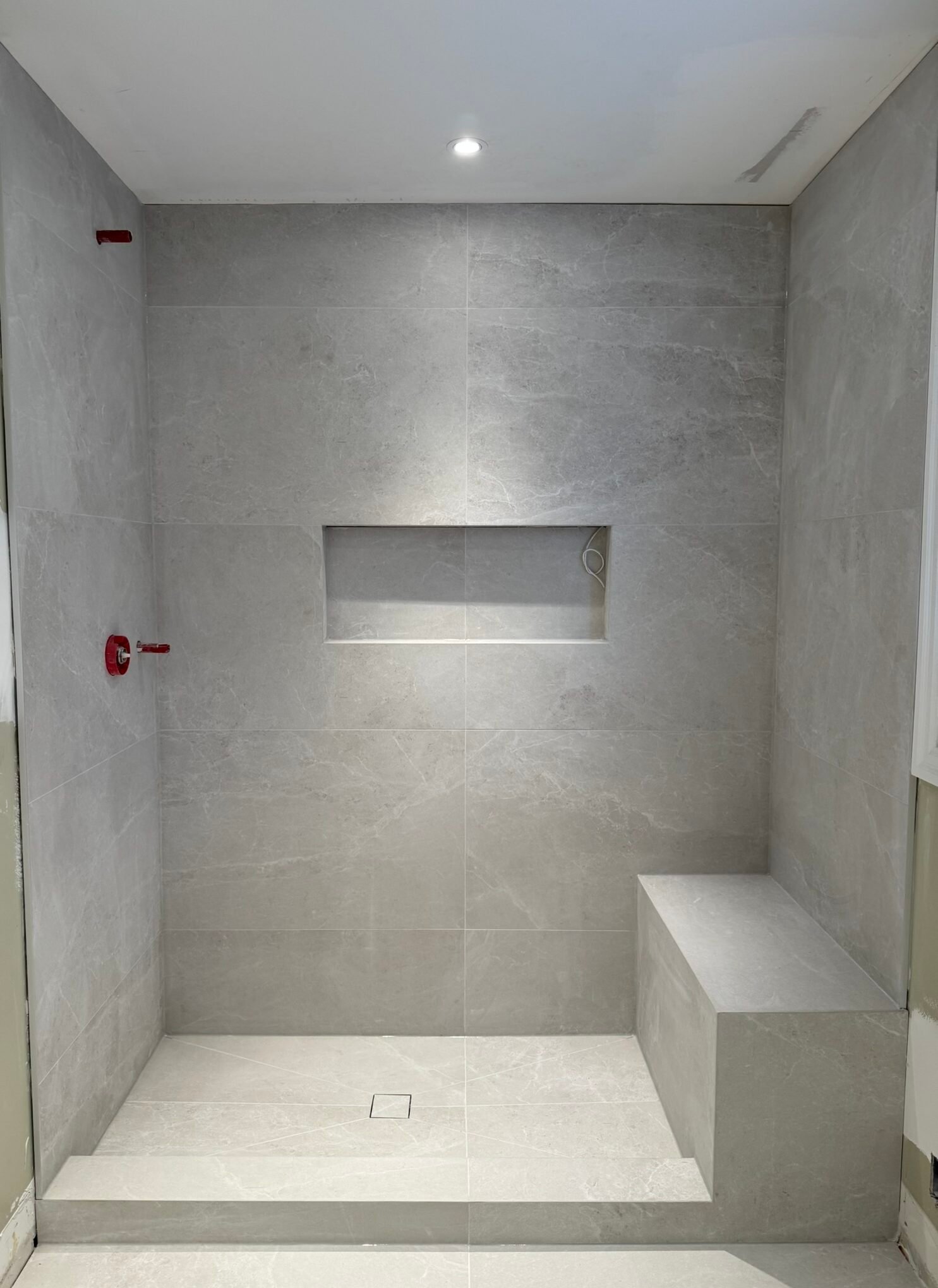
If you want a cleaner, more seamless look, exposed tile corners can sometimes be mitered at approximately 45 degrees instead of using standard metal tile trim.
The two tile edges meet at the corner and are finished with colour-matched epoxy.
We often see this detail used around shower niches, benches, half walls and other exposed tile edges.
It’s a small detail, but there’s quite a bit of work behind it.
Every piece needs to be carefully cut, lined up and finished. That takes more time than installing standard tile trim and will usually cost more.
It’s also a good example of why two bathrooms using similar materials can end up with very different labour costs.
3. Custom Showers
Replacing a standard bathtub or shower is usually fairly straightforward.
Building a custom shower is different.
Depending on the design, it could include:
- Waterproofing
- Custom shower base
- Linear or centre drain
- Shower niche
- Shower bench
- Glass enclosure
- Rain head
- Handheld shower
- Multiple shower fixtures
- Floor-to-ceiling tile
- Mitered tile edges
- Curbless shower entry
As you add more custom details, there’s more preparation and labour involved.
Curbless Showers
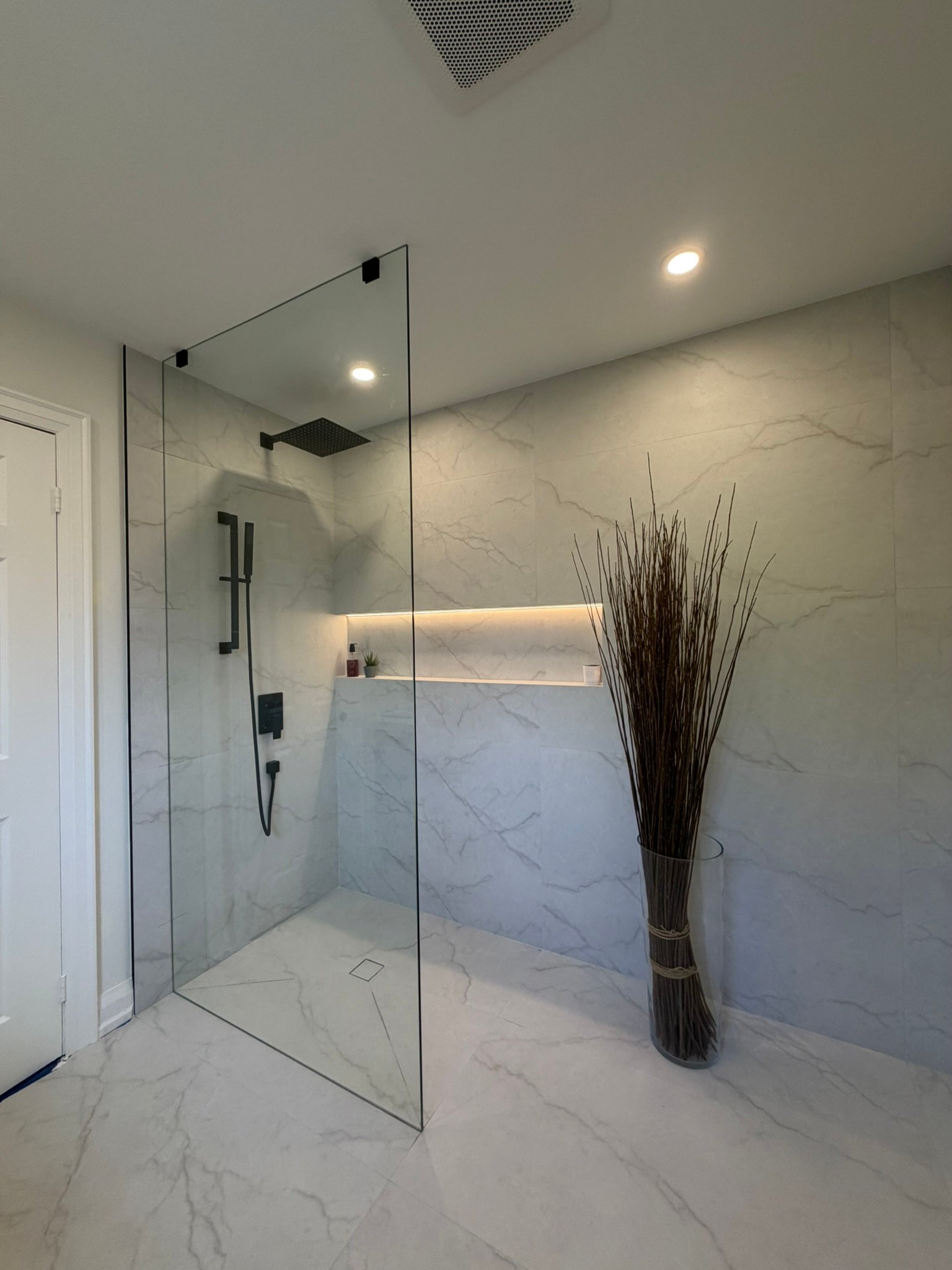
Curbless showers, also called zero-threshold showers, have become a popular choice in modern bathroom renovations.
Instead of stepping over a traditional shower curb, the bathroom floor transitions directly into the shower.
It gives the bathroom a cleaner, more open look and can also improve accessibility if you’re thinking about aging in place.
But there’s more involved in building one properly.
You still need enough slope for water to drain correctly while keeping the transition between the bathroom and shower as seamless as possible.
Depending on the existing floor structure, that can require additional preparation or modifications.
Waterproofing is especially important because there’s no raised curb separating the shower from the rest of the bathroom.
The drain location, floor slope, shower glass and tile layout all need to work together.
A properly built curbless shower can completely change the look of a bathroom, but it will generally cost more than a traditional shower with a curb.
4. Waterproofing
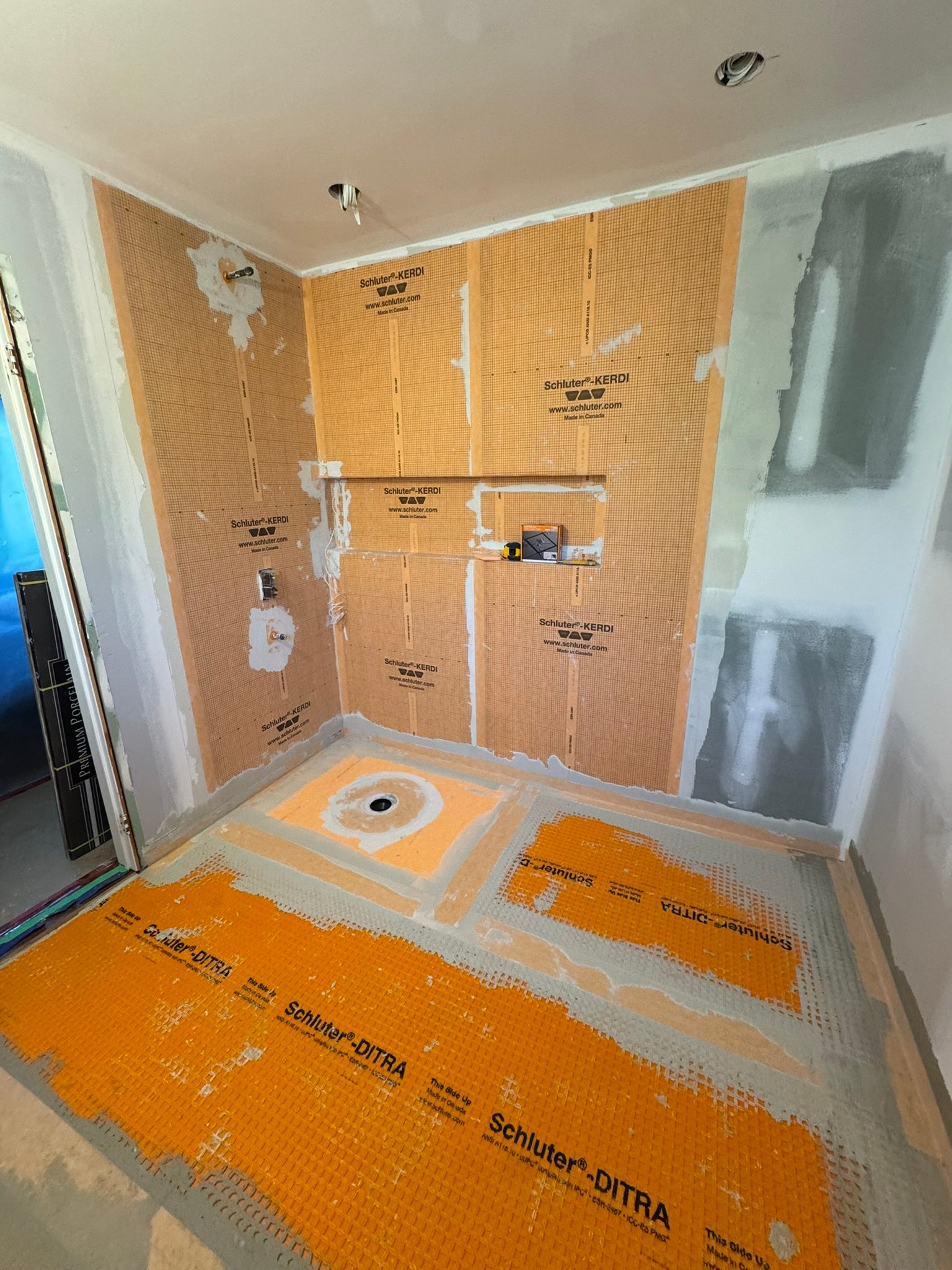
Waterproofing isn’t where you want to cut corners.
Once the bathroom is finished, you won’t see any of it. But it’s one of the most important parts of the entire renovation.
Before tile goes on, the shower walls, base, corners, penetrations and other vulnerable areas need to be properly prepared and waterproofed.
Niches, benches and curbless showers need even more attention because there are additional corners, transitions and areas where water can potentially get through.
A bathroom can look great on the day it’s finished. What matters is that it still performs properly years later.
5. Vanity and Countertop
Vanities can range from relatively affordable pre-made units to completely custom cabinetry.
For a smaller bathroom, a standard vanity might be all you need. In a larger primary ensuite, you may want a custom double vanity designed specifically for the room.
Cost can depend on:
- Vanity size
- Cabinet material
- Drawer configuration
- Custom cabinetry
- Countertop material
- Single or double sinks
- Wall-mounted or floating design
- Hardware
- Faucet selection
A custom floating vanity with a stone countertop will naturally cost more than something off the shelf.
But not every bathroom needs custom cabinetry.
It’s about deciding where spending more actually improves the room.
6. Plumbing Fixtures
There’s a huge price range when it comes to plumbing fixtures.
A standard faucet may cost a few hundred dollars, while premium fixtures can cost considerably more.
The same goes for:
- Toilets
- Shower systems
- Rain heads
- Handheld shower fixtures
- Freestanding tubs
- Wall-mounted faucets
- Body sprays
More complicated shower systems can also require additional plumbing behind the walls, so you’re not only paying more for the fixture itself.
You don’t need the most expensive fixtures on the market to build a good-looking bathroom.
A well-designed bathroom with good-quality mid-range fixtures can still look excellent.
7. Heated Bathroom Floors
Heated floors are a popular upgrade in Toronto and GTA bathrooms, and they’re especially nice during an Ontario winter.
Electric floor heating can be installed under many tiled floors and makes a noticeable difference in comfort.
It does add to the budget because you’re paying for the heating system, installation and electrical work.
For a primary bathroom you use every day, though, it’s one of those upgrades many homeowners feel is worth the extra cost.
8. Electrical, Lighting and Ventilation
Older bathrooms often don’t have great lighting or ventilation, and the electrical may need some updating.
During a renovation, you may want to add:
- LED pot lights
- Vanity lighting
- Backlit mirrors
- Additional outlets
- Exhaust fans
- Heated floor controls
- Dedicated circuits where required
Lighting makes a bigger difference than people sometimes expect.
Even a fairly simple bathroom can feel much more finished when the vanity, shower and general lighting are planned properly.
Ventilation matters just as much.
Bathrooms produce a lot of moisture. A properly sized exhaust fan helps remove that moisture and protect the bathroom and surrounding areas over time.
What Does a Bathroom Renovation Typically Include?
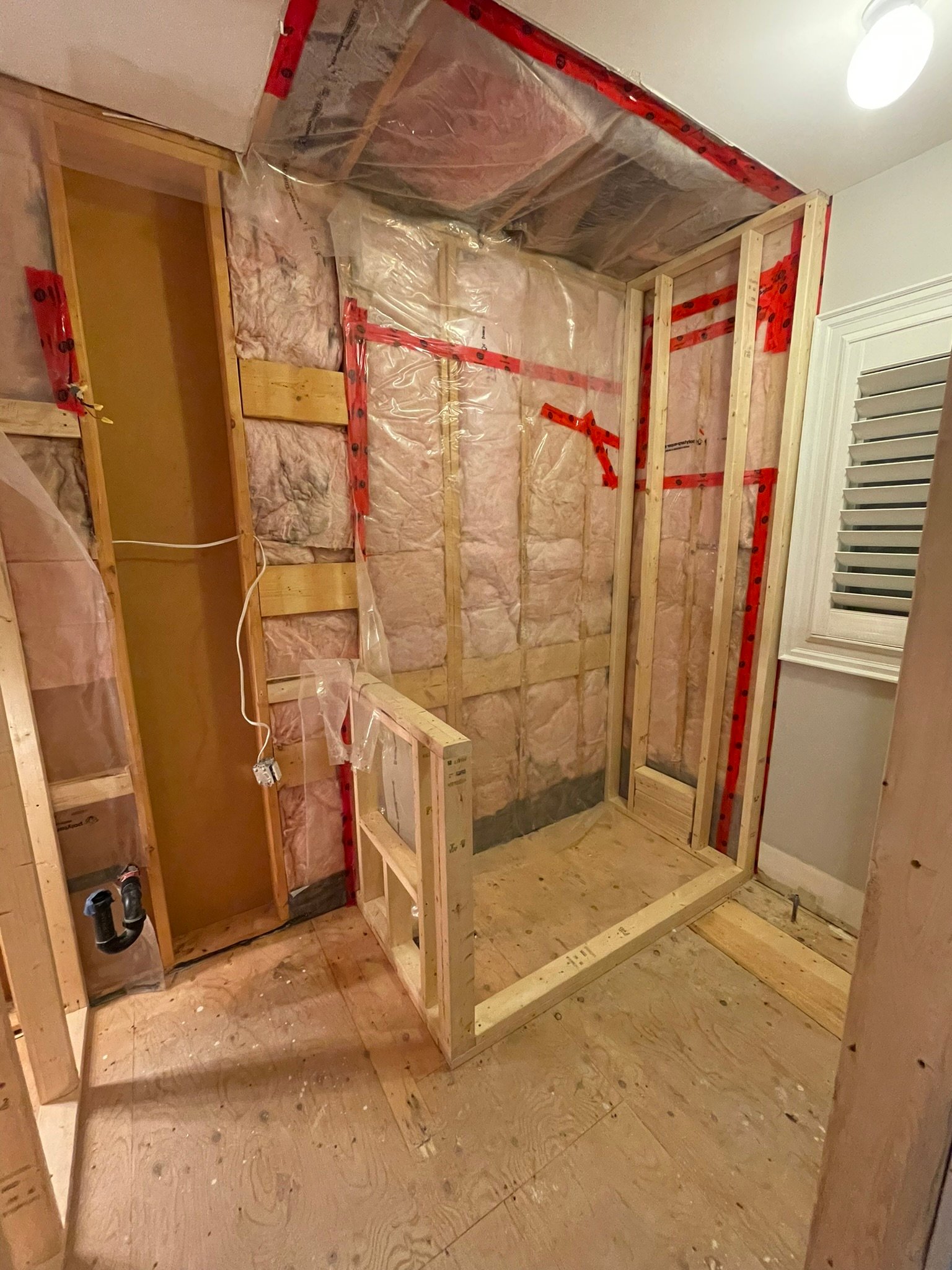
There’s a lot more involved in a complete bathroom renovation than replacing the tile and fixtures.
Depending on the project, the work may include:
- Site protection and dust control
- Demolition and disposal
- Plumbing
- Electrical work
- Framing and carpentry
- Subfloor preparation
- Drywall or tile backer
- Waterproofing
- Shower construction
- Tile installation
- Flooring
- Painting
- Vanity installation
- Countertop installation
- Plumbing fixture installation
- Lighting
- Mirrors and accessories
- Custom shower glass
- Final finishing and cleanup
This is why you should compare the scope of work, not just the number at the bottom of a bathroom renovation quote.
If one quote is considerably lower than another, look at what’s actually included.
A lower price isn’t necessarily a better deal if important parts of the job have been left out.
What About Renovating a Bathroom in an Older Toronto Home?
Older homes can come with a few surprises once demolition starts.
This is especially common in established Toronto neighbourhoods where houses may have been renovated several times over the years.
Once the walls and floors are opened, you might find:
- Older plumbing
- Outdated electrical wiring
- Water damage
- Previous work that wasn’t done properly
- Uneven walls or floors
- Damaged subfloors
- Poor ventilation
- Framing that needs repair
- Previous waterproofing problems
Older houses also aren’t always perfectly level or square.
That becomes more noticeable when you’re installing large-format tile, custom shower glass or mitered tile details where even small inconsistencies can show.
It doesn’t mean an older bathroom will automatically cost much more to renovate.
It just means it’s smart to leave some room in the budget for conditions that couldn’t reasonably be seen before demolition.
A good contractor should also be looking for potential issues before construction starts so there are as few surprises as possible.
Do You Need a Permit for a Bathroom Renovation in Toronto?
Not every bathroom renovation requires a building permit.
If you’re mainly replacing existing finishes and fixtures without making significant changes, you may not need one.
Permit requirements can change when you’re doing structural work, adding plumbing or making other changes to regulated building systems.
That can include:
- Creating a new bathroom
- Making structural changes
- Adding or significantly altering plumbing
- Changing the configuration or use of a space
- Work affecting other regulated building systems
Requirements can also vary by municipality.
If you’re unsure, your contractor or designer should determine what’s required before construction begins.
How Long Does a Bathroom Renovation Take?
A typical bathroom renovation may take around 3 to 6 weeks once construction starts.
A straightforward bathroom where everything stays in roughly the same location may be finished sooner.
Larger or more customized bathrooms can take longer.
Things that can affect the schedule include:
- Custom cabinetry
- Countertop fabrication
- Custom shower glass
- Curbless shower construction
- Mitered tile details
- Special-order fixtures
- Inspections
- Plumbing relocation
- Structural modifications
- Complex tile patterns
One of the easiest ways to avoid unnecessary delays is to choose and order your major materials and fixtures before demolition begins.
Waiting until construction is underway to start choosing tile, plumbing fixtures or custom products can slow everything down.
Where Should You Spend Your Bathroom Renovation Budget?
You don’t need to buy the most expensive option in every category to get a great bathroom.
We’d rather see the budget go toward the things that affect how the bathroom performs and how long it lasts.
That means proper waterproofing, plumbing, electrical, ventilation, tile preparation and good installation should come first.
After that, decide which visual upgrades matter most to you.
Maybe that’s a curbless shower with floor-to-ceiling tile. Maybe it’s heated floors, a custom floating vanity or mitered niches finished with colour-matched epoxy.
You can also mix premium features with more affordable materials.
For example, you might choose a reasonably priced porcelain tile and put more of the budget toward the custom shower you use every day.
A good bathroom isn’t about making every selection expensive. It’s about spending the budget in the right places.
Can You Renovate a Bathroom for Under $15,000?
In some cases, yes.
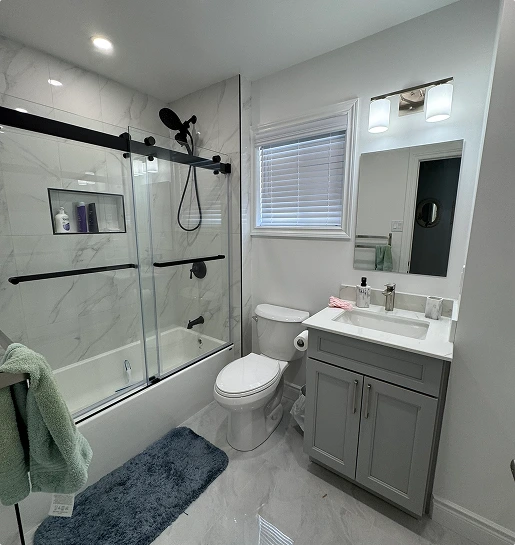
A smaller bathroom with a simple layout and reasonably priced materials may be possible within that range, especially if the plumbing stays where it is and there’s limited custom work.
But the scope has to match the budget.
If you want to relocate plumbing, build a large curbless shower, tile every wall, add heated floors, use premium plumbing fixtures and include detailed mitered tile work, you’re naturally going to move into a higher price range.
Being upfront about your budget from the beginning makes it much easier to figure out what makes sense and where the money is best spent.
Is a Bathroom Renovation Worth It?
For many homeowners, it is.
You use your bathroom every day. If the layout doesn’t work, there’s not enough storage, the lighting is poor or everything simply feels dated, renovating can make a noticeable difference.
A bathroom renovation can improve:
- Functionality
- Storage
- Lighting
- Ventilation
- Comfort
- Accessibility
- Appearance
- Overall home appeal
The goal doesn’t need to be building the most expensive bathroom possible.
It should be creating a space that’s well built, functional and makes sense for your home.
Planning a Bathroom Renovation in Toronto or the GTA?
Every bathroom is different, so online pricing should always be treated as a starting point.
A straightforward bathroom where the existing layout stays mostly the same will have a very different budget from a primary ensuite with a curbless shower, heated floors, custom glass and detailed tile work.
The best way to get an accurate price is to look at the existing bathroom, decide what you actually want to change and build a clear scope of work around it.
Star Builders provides complete bathroom renovations throughout Toronto and the GTA, including demolition, plumbing, electrical, waterproofing, tile installation and finishing.
Whether you’re updating a small bathroom, renovating a primary ensuite or completely redesigning an outdated space, we focus on building a bathroom that looks good, works properly and holds up over time.
Planning a bathroom renovation in Toronto or the GTA? Contact Star Builders to discuss your project and get a renovation estimate.